



iPhone 16
The iPhone 16 range is the Apple release that everyone is eagerly waiting for, with the upgrades it brags about in terms of design, performance, and more features. An outline of the whole iPhone 16 line-up is given here. It includes the release date, pricing, specifications, new chip, and found answers of the frequently asked questions.
Release Date
Apple is all set for the release of the iPhone 16 series on September 20, 2024. The date is all along with Apple’s traditional mid-September release schedule and is anticipated to be around the same time as other products like the Apple Watch Series 10 along with the updated AirPods. Pre-orders are believed to be starting a week prior, that is September 13, 2024.
Pricing
Despite the fact that there are no official details of the prices, the iPhone 16 series is likely to be following a similarly priced pattern to the iPhone 15. The following is a summary of the expected pricing for every model:
iPhone 16: Starting at around $799
iPhone 16 Plus: Starting at around $899
iPhone 16 Pro: Starting at around $999
iPhone 16 Pro Max: Starting at around $1,199
There may be slight variations in these prices depending on the storage configurations, the colour options, and the region-specific taxes or the fees. There are also reports that Apple would keep on slightly increasing the prices due to higher production costs and the incorporation of new technologies.
Design and Build
Refining the existing aesthetics, the iPhone 16 models follow the same design language of their predecessors:
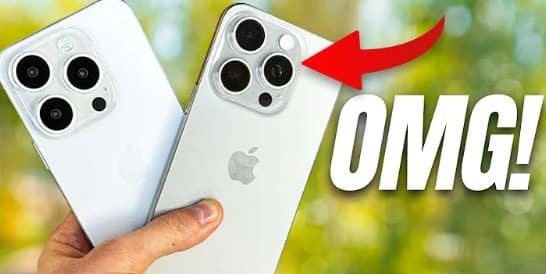
Pro Models: The Pro and Pro Max versions have bigger displays, the Pro ones are 6.3 inches and the Pro Max ones are 6.9 inches, and they are also slightly wider and taller than the iPhone 15 Pro versions. The bezels are thinner, thus, the display is more immersive and at the same time, the devices keep the squared-edge design that Apple has popularized in recent years.
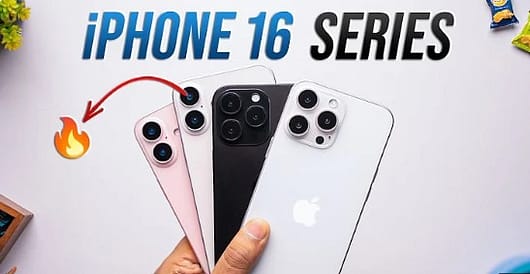
Standard Models: The iPhone 16 and 16 Plus still have their usual dimensions but they come now in new colours and with a different camera layout. Besides the rear glass having a frosted effect, which is in contrast with the main frame colour, this device’s visual appeal is greatly improved.
New Action and Capture Buttons: According to the reports, the Action Button will be present in all the models, replacing the traditional mute switch, and new Capture Button will be added to the side of the device for quick camera access and additional functions.
Display Technology
The iPhone 16 series utilizes advanced display technologies for improved performance:
Pro Models: iPhone 16 Pro and Pro Max are the smartphones that utilize LTPO Super Retina XDR OLED displays with micro-lens technology. Micro lens technology is a new method that increases brightness and cuts down on energy usage by using a uniform pattern of billions of tiny lenses inside the panel. It furthermore energy efficiency, thus, allowing one better visual experience without battery life compromise.
Standard Models: The standard models are high-resolution OLED panels with similar improvements in power efficiency and display quality that have also been maintained through the years.
Processor and Performance
The iPhone 16 series introduces the A18 chip, which has made it possible to achieve greater computational power than ever:
A18 Chip: The new chip comes with a modified architecture, which is supplemented with additional CPU and GPU cores, thereby, offering a more than a noticeable speed boost over the A17. The A18 Pro, only for the Pro models, has added GPU cores and a more powerful Neural Engine which is capable of handling advanced AI tasks, such as image processing, gaming, and augmented reality.
Generative AI Capabilities: The A18 Pro also comes with advanced generative AI capabilities, which allow users to perform complex tasks like photo editing, language translation, and personalized content creation directly on the device without heavily relying on cloud services.
Camera Upgrades
The camera systems of iPhone 16 series are tremendously better than those of previous generations, which means they are able to perform better in different scenarios:
Standard Models: The iPhone 16 and 16 Plus use a new vertically aligned dual-camera system that enhances photo quality in different lighting conditions and also improves the stability of the camera.
Pro Models: The iPhone 16 Pro and Pro Max are equipped with a 48-megapixel Ultra Wide lens, a 5x telephoto lens, and, for the first time, a super telephoto periscope camera on the Pro Max. These advancements, in addition to increasing the optical zoom, also provide a considerable improvement in the low-light performance of the camera.
Enhanced Software: Camera hardware is also supported by software improvements, such as the new Night mode, AI-based image recognition, and enhanced Pro RAW capabilities, which are the features that make the Pro series the best choice of professional photographers.
Battery Life and Charging
Battery life is another area where the iPhone 16 series aims to excel:
Stacked Battery Technology: In this technology, the Pro models are expected to use stacked batteries, which not only allow the battery to last longer but also help with the cooling process. This technology is said to allow the device to stay cooler under the load, such as gaming or video editing, and prolong the overall battery health.
Faster Charging: The iPhone 16 series will support faster wired and Mag Safe wireless charging, with improvements in the magnetic alignment system to further enhance efficiency and reduce charging time.
Connectivity and Networking
The iPhone 16 series brings several connectivity improvements:
5G and Wi-Fi 7: Pro models are expected to feature Qualcomm’s Snapdragon X75 modem, which supports faster, more efficient 5G connectivity. The other Pro models are possibly using Wi-Fi 7, which gives you ultra-high speeds and really low latencies. This means that you can use it for stuff like streaming, gaming, and downloading big files faster .
Improved Location Services: The iPhone 16 series has additionally, the better GPS and location tracking data of places and better apps like maps and fitness trackers that depend on real-time positioning tracking will be enhanced.
Frequently Asked Questions
1. What are the key differences between the iPhone 16 models?
The principal disparities consist of dimensions, photographic aspects, and processing power. The Pro models have larger displays, which are equipped with a camera system with telephoto and periscope lenses, and A18 Pro chips, which are more powerful than the standard A18 chip on the iPhone 16 and 16 Plus.
The core incompatibility is the fact that the models vary in size, have different camera options, and have different types of chips in terms of performance. Pro models provide more display space, have better camera systems with telephoto and periscope lenses, and are more powerful thanks to the A18 Pro chips as opposed to the standard A18 chip fitted on the iPhone 16 and 16 Plus.
2. Will the iPhone 16 series have a USB-C port?
Yes, as mandated by the European Union, so all new iPhone 16 models will forgo the Lightning port in favour of USB-C ports, which are in line with the industry-wide movement towards a universal charging standard.
Yes, the new iPhone 16 models will comply with the European Union regulations and come with USB-C ports instead of the traditional Lightning ones, thus joining the industry movement towards a universal charging standard.
3. Is the iPhone 16 worth upgrading to?
An upgrade from an iPhone 14 or older device shows new features like the iPhone 16 series’ improved display, camera performance, battery life, and better connectivity. The Pro models have the same differences yes, but for the iPhone 15 users, the lesser differences are still there, and somewhat stronger in Pro models.
If you are moving from an iPhone 14 or older, the iPhone 16 series comes with many new features such as better display quality, camera performance, battery life, and connectivity. Differences for users of iPhone 15 are less so differences are still there and differences are more if the Pro models are selected.
4. What colour options are available?
Forecasted colours represent different variations of blue, pink, green, black, and white, but the model can still be different in terms of the shade. The models with Pro versions may also come equipped with sophisticated finishes such as gold or titanium.
Forecasted colors represent these 6 colors blue, pink, green, black, and white, but the model can still be different in terms of the shade. The models with Pro versions may also come equipped with sophisticated finishes such as gold or titanium.
5. How does the iPhone 16 compare to its competitors?
The iPhone 16 models contend against flagship smartphones of Samsung, Google, and other brands, which are known for their high performance, beautiful design, and integration with the ecosystem. The Pro models, in particular, are distinguished by their advanced cameras, high-performance processors, and Apple-only features such as iOS and iCloud integration.
Conclusion
The iPhone 16 series is an example of the way Apple continues pushing the envelope when it comes to innovation by incorporating enhanced design, as well as major hardware and software improvements. The iPhone 16 series, with its advanced camera systems and the new A18 chip, as well as enhanced battery technology, is intended to provide a superior user experience. No matter if you are a tech lover or just a casual user, the iPhone 16 series has a variation to fit your needs and tastes. The company’s latest devices are always at the forefront of smartphone innovation, and early adopters can be sure they will receive the latest technology from one of the industry’s most reputable brands.


