



Introduction to Mad Honey
Mad honey, Mad Honey Hunting in Nepal a rare and potent honey found in the high cliffs of Nepal, is famous for its hallucinogenic effects. It’s not just any honey—it comes from the nectar of rhododendron flowers, which contain grayanotoxins, a compound that can cause hallucinations when consumed by humans. This honey is collected by the Gurung tribe, who follow a centuries-old tradition known as mad honey hunting.
What Makes Mad Honey Special?
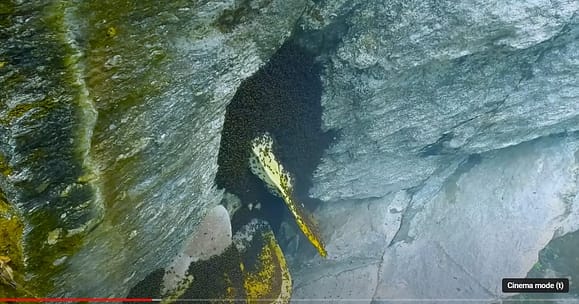
The honey is produced by the Apis laboriosa, the largest species of honeybee in the world. These bees gather nectar from rhododendron flowers that grow in the Himalayan mountains. The flowers’ toxins don’t affect the bees, but when humans consume this honey, they experience a range of effects, from mild tingling to intense hallucinations. In small doses, it has been used in traditional medicine to treat illnesses, but in large amounts, it can cause nausea, paralysis, or even death.
The Dangerous Art of Mad Honey Hunting
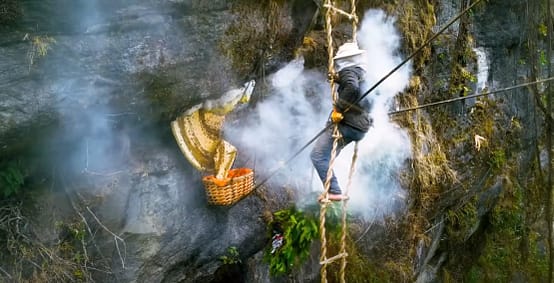
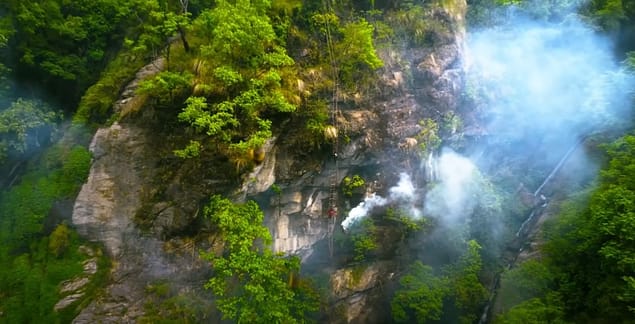
Mad honey hunting is not for the faint-hearted. The Gurung tribe harvests the honey by scaling cliffs as high as 100 meters, using only handmade rope ladders. Wearing little protective gear, the hunters risk falls, bee stings, and other dangers to reach the honeycombs. The process involves burning leaves to create smoke that calms the bees, allowing the hunters to safely cut the honeycomb and collect the prized honey.
Why Do They Keep Doing It?
This dangerous tradition has been passed down for over 7,500 years. For the Gurung tribe, mad honey hunting is more than just a way to earn a living—it’s a spiritual practice and a connection to their ancestors. Each year, they perform rituals, such as blessing hunters with protective amulets before they begin their dangerous climb. The honey is not only a source of income but also plays a role in their cultural identity.
The Economic Reality
Although mad honey is sold for as much as $400 for 200 grams, the hunters themselves earn very little from their risky work. They make less than $50 per kilogram of honey, despite the high value of this rare substance. This financial inequality discourages younger generations from continuing the tradition, putting the future of mad honey hunting at risk.
How Long Can This Tradition Survive?
With modernization and fewer young people willing to take the risk, mad honey hunting may soon become a thing of the past. However, efforts to preserve the tradition could include promoting sustainable tourism or educating the world about this unique cultural practice. By sharing the story of mad honey hunting, we can help ensure that this ancient art survives for future generations.
Example Exploratory Questions?
-
What historical and cultural factors have influenced the continuation of mad honey hunting in Nepal?
What the video says about historical and cultural factors influencing mad honey hunting revolves around the long-standing traditions of the Gurung tribe in Nepal. The practice of mad honey hunting is deeply embedded in their cultural heritage and can be traced back over 7,500 years, as depicted in ancient cave paintings. These paintings suggest that honey hunting has been a vital part of their way of life for millennia, not only for sustenance but also for medicinal and ritual purposes.
The Gurung tribe continues this dangerous practice to preserve their ancestors’ knowledge and the community’s identity, passing down techniques and customs across generations. The honey’s hallucinogenic effects, sourced from rhododendron flowers, have historically been used in small doses for medicinal treatments and as an aphrodisiac, showcasing the delicate balance between its healing properties and its toxicity.
Moreover, spiritual elements are evident in their hunting rituals, such as the blessing ceremony, where newcomers are given protective amulets. These cultural and spiritual practices, combined with the tribe’s economic dependence on the honey, sustain the tradition despite the life-threatening risks involved.
2. How do grayanotoxins from rhododendron flowers affect both the bees and humans who consume the honey?
3. What are the modern-day challenges that honey hunters face, and how might these traditions evolve in the future?
What the video says about the challenges faced by modern-day honey hunters and the evolution of their tradition underscores both the physical dangers and socio-economic difficulties these hunters endure.
- Physical Risks: Honey hunters continue to face extreme risks, such as climbing treacherous cliffs hundreds of meters high with minimal safety equipment. They use rope ladders and their bare hands to harvest honey while enduring countless bee stings. A wrong step can lead to fatal falls, and the intensity of bee attacks adds to the danger.
- Economic Disparity: Although mad honey fetches high prices on the international market—around $400 for just 200 grams—hunters themselves see little financial reward. They earn less than $50 per kilogram of honey harvested, despite the life-threatening nature of their work. This economic imbalance discourages younger generations from taking up the tradition, posing a challenge to its survival.
- Cultural Preservation vs. Modernization: The video shows how the tradition is being kept alive by a single family in the Gurung tribe. As the practice requires skill, courage, and ancient knowledge, fewer people are willing to risk their lives in today’s changing world. Globalization, modernization, and shifting economic incentives are gradually leading to a decline in the number of honey hunters, threatening the continuity of this cultural heritage.
Insights Based on Numbers
- 7,500-year-old: Cave paintings reveal that mad honey hunting has existed for millennia, showing the deep-rooted cultural significance of this dangerous practice.
- 200 grams for $400: Highlights the economic disparity where hunters risk their lives for minimal gain, while mad honey sells for exorbitant prices.
- 3 centimeters: The size of the giant honeybees, which are twice as large as regular bees, and have stingers capable of piercing clothing.
Summary
- 🍯 Mad Honey Harvesting: In the remote high cliffs of Nepal, once a year, hunters collect mad honey, known for its hallucinogenic effects caused by grayanotoxins.
- 🐝 Giant Bees: The honey is produced by Apis laboriosa, the world’s largest honeybee. Harvesting involves dangerous climbs and constant bee stings.
- 🧗 Cliffside Risk: Hunters climb treacherous cliffs using only bamboo ladders, putting their lives at risk for a honeycomb that could lead to paralysis or even death if consumed in excess.
- 🔥 Dangerous Practices: Traditional hunting methods include burning leaves to calm bees, all while hunters use nothing but rope ladders and their bare hands.
- 🏺 Ancient Tradition: This practice has been ongoing for thousands of years, with the Gurung tribe being the last to continue the tradition.
- 💉 Medicinal Uses: Despite the dangers, mad honey has been historically used as a medicine and aphrodisiac, but only in very small doses due to its toxicity.
- 🌼 Unique Nectar Source: The honey gets its psychoactive properties from rhododendron flowers found in the Himalayas.
- ⚖️ Economic Challenges: Though highly prized, with a price reaching $400 per 200g, hunters themselves make less than $50 for risking their lives.
Conclusion
Mad honey hunting is one of the most fascinating and dangerous traditions in the world. It reflects the courage, resilience, and cultural heritage of the Gurung tribe. But with growing economic pressures and the dangers involved, this tradition faces an uncertain future. It’s essential to raise awareness about mad honey hunting, so this extraordinary practice can be appreciated and preserved.


