



Introduction to Yarsagumbu
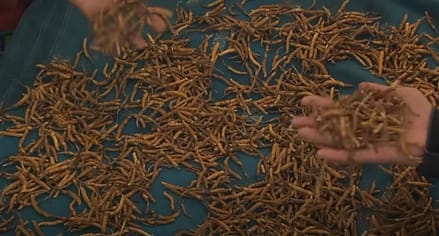
Deep in the Himalayas, villagers search for a rare fungus called Yarsagumbu. This fungus grows from a caterpillar and is highly valuable because it’s believed to improve health, boost the immune system, and act as an aphrodisiac. Found at high altitudes, this unique product is highly prized in Chinese medicine, fetching thousands of euros in the market.
Preparing for the Harvest
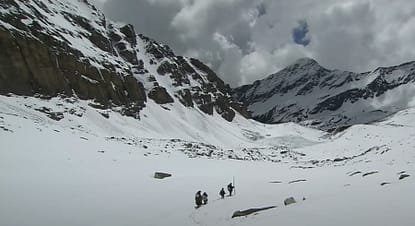
Every spring, entire villages in Nepal and Tibet prepare for a challenging journey. Families pack their provisions and receive blessings before heading into the mountains. The journey can last up to two months, and these villagers will walk for days through snow and dangerous terrain to reach the areas where Yarsagumbu grows. It’s a tough process, but they hope to earn enough money to support themselves for the entire year.
Why Is Yarsagumbu So Valuable?
The documentary highlights why Yarsagumbu is more valuable than gold in many parts of the world. This fungus is used in traditional Chinese medicine for its numerous health benefits. As demand continues to rise, so does its value. Some buyers are willing to pay tens of thousands of euros for a single kilogram, making it a critical source of income for Himalayan communities.
Challenges Faced by Harvesters
The documentary showcases the dangers involved in harvesting Yarsagumbu. The cold, exhaustion, and treacherous conditions in the mountains pose severe risks. Harvesters must work long hours each day, searching for the tiny fungus in difficult terrain. Some villagers do not survive this harsh journey, making it a dangerous but necessary part of life for those who depend on the income.
The Impact on Village Life
The Yarsagumbu trade has had a significant impact on the lives of villagers. Traditionally, these communities relied on farming and barter. But with the rising demand for consumer goods, they now depend heavily on the income from selling Yarsagumbu. This shift has transformed their lives. They no longer seek just the basics, but also new products brought from outside their villages.
Future Challenges
While Yarsagumbu has brought economic benefits, it also raises concerns. The number of harvesters is increasing, but the availability of the fungus is declining. Where harvesters used to collect up to 100 pieces a day, now they might find only 10. Overharvesting, climate change, and competition have made the trade more difficult, creating uncertainty for the future. Villagers worry about how long the Yarsagumbu harvest will last and what will happen if it disappears.
What is the future of the Yarsagumbu trade?
As depicted in the video, the future of this trade is uncertain. Although it provides substantial economic benefits, the pressures of increased demand and environmental factors are causing a rapid depletion of Yarsagumbu resources. The documentary raises important questions about how long this trade can continue and whether it will collapse under its own weight. The livelihoods of these villagers are at stake, and as they depend more on Yarsagumbu the question remains—what happens if the fungus runs out?
What are the environmental and economic concerns related to Yarsagumbu?
There are growing concerns over the sustainability of the Yarsagumbu trade. As more pickers arrive each year, the availability of the fungus has declined, with pickers finding fewer pieces each day. In earlier years, it was possible to collect up to 100 pieces daily; now, they are lucky to find 10. The competition among harvesters has intensified, leading to greed and, at times, conflict. Furthermore, climate change and overharvesting threaten the future availability of this rare organism.
How has the Yarsagumbu trade impacted the villagers lifestyle?
The documentary reveals how the Yarsagumbu trade has drastically altered the lives of these Himalayan villagers. Previously reliant on farming and bartering, the villagers now depend heavily on the income from selling Yarsagumbu. Consumerism has crept into their once self-sufficient communities. As new goods from the outside world become more accessible, the villagers’ needs have shifted. They no longer just seek necessities but also the comforts and luxuries that money can buy.
Conclusion
The story of the Yarsagumbu hunters is one of survival, hope, and adaptation. These Himalayan villagers risk their lives for the chance to collect this rare fungus, which has transformed their economy and way of life. However, with declining availability and increasing risks, the future of the Gold in the Yarsagumbu trade is uncertain. How long will this trade last, and what impact will it have on the people and the environment of the Himalayas?
This article breaks down the key insights from the documentary into simple, easy-to-understand language for readers who want to explore the fascinating world of the Himalayan Yarsagumbu hunters.
Insights Based on Numbers
- 5,000 meters: The altitude at which Yarsagumbu is harvested, showing the extreme conditions faced by the villagers.
- €300,000: The estimated value of 10 kilos of Yarsagumbu in Chinese medicine shops, highlighting its incredible economic significance.
- 60,000 pickers: During the season, over 60,000 people arrive in the Doo Valley for the harvest, a mass migration spurred by the allure of this natural treasure.
Quiz: Test Your Knowledge of “The Organic Gold Hunters of the Himalayas”
- What is Yarsagumbu and why is it so valuable?
- A) It is a type of gold found in the Himalayas
- B) A rare fungus used in traditional Chinese medicine
- C) A plant found in lowland areas of Tibet
- D) A natural mineral used for building temples
- How do the villagers in the documentary prepare for the Yarsagumbuharvest?
- A) By building special tools to dig for the fungus
- B) By gathering provisions and receiving traditional blessings
- C) By training their animals to find the fungus
- D) By forming cooperative trading organizations
- What are some of the dangers faced by the Yarsagumbu harvesters in the mountains?
- A) Extreme heat and snake bites
- B) Long work hours and lack of proper equipment
- C) Freezing temperatures, treacherous terrain, and exhaustion
- D) Competition from foreign companies
- What impact has the Yarsagumbu trade had on the villagers’ way of life?
- A) It has made them more self-sufficient
- B) It has introduced them to modern consumerism
- C) It has led to the decline of traditional farming methods
- D) It has increased their reliance on imported food
- What are some of the concerns about the future of the Yarsagumbu trade?
- A) Increased competition from other countries
- B) The declining availability of Yarsagumbu due to overharvesting and climate change
- C) Loss of traditional knowledge and farming practices
- D) Decreased interest in Yarsagumbu as modern medicine replaces it
Good luck!


